Faceless UGC: What Brands Pay For and How to Get Hired
Faceless UGC is real, but most brands still want on-camera content. Here's exactly what formats brands buy, which niches hire faceless creators, and how to start.
Maya Rivera
August 2, 2026 · 8 min read
The short answer
Faceless UGC — voice-overs, hands-only demos, B-roll clips, and product photography — is a real but smaller market. Brands use these formats for tutorials, ambient lifestyle content, and product showcases. Most paid UGC briefs still require on-camera presence because face-forward content performs better in direct-response ads. You can build a faceless portfolio and get hired, but expect roughly 30–40% fewer opportunities compared to on-camera creators.
When I started as a UGC creator, the question I got most from people who were camera-shy was: “Can I do this without showing my face?”
The honest answer is yes — but with conditions that most people glossing over this niche don’t tell you.
Faceless UGC is real. Brands do pay for it. I have seen creators build solid client rosters without ever appearing on camera. But the market is smaller, the briefs are more specific, and the rates are lower. If you are deciding whether to go this route, you deserve the full picture.
What Faceless UGC Actually Means
UGC (user-generated content) is creator-made content that brands license to use in ads, on their websites, or on their social channels. The distinguishing quality is authenticity — it looks like something a real person made, not a production studio.
Faceless UGC applies the same concept without the creator’s face ever appearing. Instead, the viewer sees:
- Hands applying or handling a product — the classic beauty unboxing, skincare application, or food prep shot
- A voice-over narration recorded over product or lifestyle footage
- Lifestyle B-roll — ambient footage of a kitchen, a desk setup, a bathroom counter — the creator is implied but not shown
- Flat-lay or styled product photography — static images with the product as the subject
- Screen recording tutorials — used by software, app, and SaaS brands
Brands use these formats in their ad accounts, product pages, and organic social feeds. The licensing deal works the same way as on-camera UGC — the brand pays for usage rights, you keep ownership unless an exclusivity clause says otherwise.
The Honest Reality: Most Briefs Still Want a Face
Before you commit to the faceless route, you should know what the brief landscape actually looks like.
The majority of paid UGC briefs — conservatively 70–80% of what you will see on platforms — specify on-camera deliverables. The reason is direct-response advertising. When brands run paid campaigns on Meta or TikTok, the formats that convert best — testimonial, problem/solution, before-and-after — almost always require a recognizable human face in frame. The face builds immediate trust in the first two seconds, and that trust drives the click.
That does not mean faceless content has no place in a brand’s mix. It does. But it typically fills a supporting role: B-roll that gets cut into a larger ad, ambient lifestyle content for an organic social feed, or a tutorial-style explainer that lives on the product page rather than in a paid campaign.
For you as a creator, this means faceless formats often attract fewer briefs, and the ones that exist are more specific about production quality. Hands-only demos need to look deliberate and clean. Voice-overs need professional audio. Lifestyle B-roll needs to look like it belongs next to editorial photography.
Going faceless is a valid path. Just build your expectations around the real market, not the optimistic version.
The Four Formats Brands Actually Hire Faceless Creators For
1. Hands-Only Product Demos
This is the highest-demand faceless format. A well-lit, steady hands-only video showing product application — a serum being pressed into skin, a supplement shaken in a bottle, a sauce poured over a dish — is a genuinely useful asset for many brands.
What makes hands-only demos worth hiring: they are easy to cut into longer ad creative, they work well as secondary footage in testimonial ads where the main creator is speaking on camera, and they translate well across product categories without requiring a specific “look.”
The niches that book hands-only demos most often: skincare and beauty, food and beverage, supplements and wellness, home goods and cleaning products.
2. Voice-Over Videos
A voice-over testimonial or tutorial delivers most of the trust signal of an on-camera video, particularly for products where the experience is sensory rather than visual — a supplement, a sleep aid, a cleaning product. The creator describes the experience over footage of the product or their hands using it.
Voice-over UGC performs better in informational intent placements — think YouTube pre-roll, podcast-style ads, or longer-form product page videos — than in short-form paid social where a face-forward hook in the first second is usually necessary.
If you go this route, invest in your audio setup before anything else. A voice-over recorded in an echo-y room on a phone microphone will not get hired. A crisp, clear recording on a dedicated microphone — even a budget USB mic — changes the quality tier significantly.
3. Lifestyle B-Roll
Brands running aspirational campaigns — a skincare brand building a “morning routine” aesthetic, a home goods brand showing a clean desk setup — regularly brief B-roll packages. These are short ambient clips: a hand setting a coffee cup on a table, steam rising from a face steamer, a flat-lay getting styled.
This format is more creative than product-demo UGC and requires a stronger sense of visual composition. Creators who are skilled with natural light and deliberate framing do well here. It is also the format that crosses over most cleanly with content creation skills from platforms like Instagram.
The pay for B-roll packages is typically lower per deliverable than on-camera video, but the effort per clip is also lower once you get the setup right.
4. Product Photography (Static UGC)
Some brands brief static image UGC — styled product photography that looks lifestyle-driven rather than commercial-studio. An Amazon brand might want ten lifestyle photos of their product in a real kitchen. A DTC skincare brand might want a bathroom-counter flat-lay with their hero product.
Photo UGC is a growing subcategory. It is a natural fit for creators who are stronger with a camera than with video, and it requires no on-camera presence by definition.
Check the platforms you apply through to see whether photo UGC briefs appear regularly in your niche — volume varies significantly by category.
Which Niches Hire Faceless Creators Most Often
Not all UGC niches are equally open to faceless formats. Based on what consistently appears in creator briefings:
High faceless brief volume:
- Skincare and beauty (application demos, ASMR-adjacent)
- Food and beverage (hands + prep footage)
- Home goods and cleaning products (before/after via hands, environment B-roll)
- Supplements and wellness (voice-over testimonials work well here)
Lower faceless brief volume:
- Fitness and health (most brands want on-camera transformation content)
- Pet products (usually face + pet together)
- Fashion (fit check format is inherently on-camera)
- App and SaaS (screen recording works, but most also want a face)
If you are targeting a specific niche, spend an hour on the platforms before committing — count how many briefs request faceless-compatible formats versus how many require on-camera. That ratio is your real opportunity size.
How to Build a Faceless UGC Portfolio
The same principles that apply to any UGC portfolio apply here — you need samples before you get hired, which means making spec content with products you already own.
Three formats to lead with in a faceless portfolio:
- A hands-only skincare or beauty demo (highest demand)
- A voice-over product testimonial — 30–45 seconds, polished audio
- A lifestyle B-roll package — three to five connected clips from a single setup
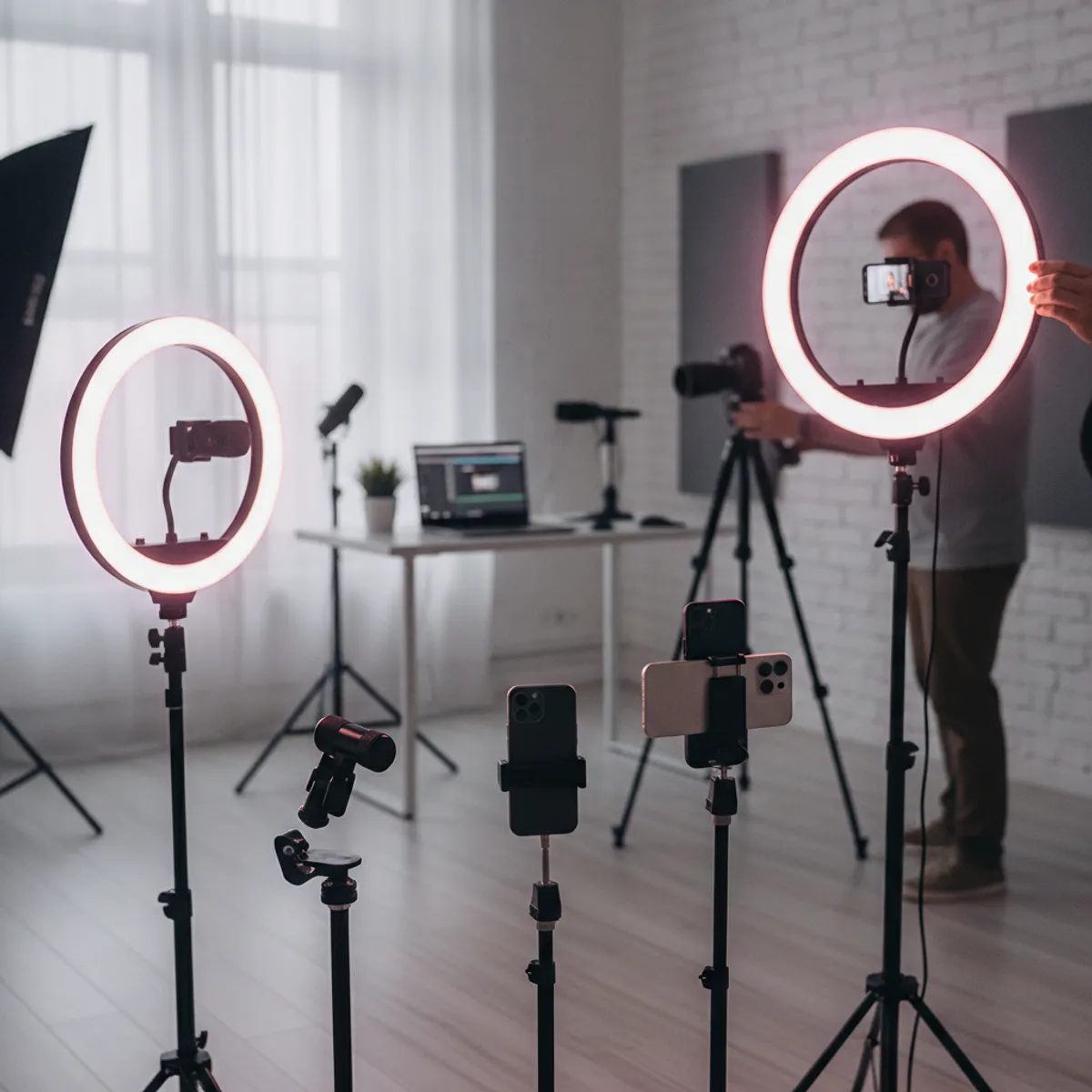
Keep each under 60 seconds for the video formats. Focus on lighting (natural window light is enough to start), clean audio, and steady footage. A ring light and a phone stabilizer will cover the gear gap for most entry-level briefs.
Faceless portfolios need to work harder at demonstrating production quality because you are removing one of the main trust signals — a recognizable human delivering an opinion. Compensate with consistent, intentional aesthetics.
What Faceless UGC Pays
Faceless formats typically command lower rates than equivalent on-camera deliverables. UGC rates for standard video content run $150–300 per deliverable at the entry-to-mid level. Faceless equivalents tend to fall in the $80–200 range for comparable deliverables, with voice-over content sitting at the higher end of that range and B-roll packages at the lower end.
Photo UGC — static lifestyle images — typically runs $50–150 per image depending on usage rights and the brand’s budget.
These are not rules. Brands with larger budgets and more specific needs will pay more regardless of format. But if you are comparing expected income from a faceless portfolio versus an on-camera one, a 20–40% rate gap is a reasonable planning estimate.
Should You Go Faceless or On-Camera?
If the only thing holding you back from on-camera UGC is being camera-shy, I would encourage you to try on-camera first. The market is larger, the rates are higher, and comfort in front of a camera is a skill that develops faster than most people expect. Most creators who thought they would hate being on camera find that scripted, product-focused deliverables are far more comfortable than the spontaneous content they feared.
If you have a genuine preference for faceless content — you prefer working with a camera over narrating, you are a stronger visual stylist than on-camera performer, or you have a specific reason for staying off-camera — there is a real path here. The niche is smaller but not small. Build a focused portfolio in one or two high-demand categories, apply specifically to faceless-eligible briefs, and treat production quality as your primary differentiator.
Both paths work. The faceless route just requires you to be more strategic about where you apply your energy.
Frequently asked questions
What is faceless UGC?
Faceless UGC is creator-made content where the creator's face never appears — instead the viewer sees hands, voice-over narration over product footage, B-roll lifestyle clips, or static product photography. Brands license this content for ads, websites, and social media the same way they license traditional UGC. The key difference is the creator stays off-camera throughout.
Can you make money doing faceless UGC?
Yes, but the market is smaller than on-camera UGC. Faceless formats work best for tutorials, how-to demos, voice-over testimonials, and product B-roll. Brands in the beauty, skincare, food, and tech niches hire faceless creators most often. Rates run 20–40% lower than equivalent on-camera deliverables because the content is harder to run in direct-response ad formats, which brands value most.
Which UGC formats can be done without showing your face?
The formats that get hired most as faceless UGC are: (1) hands-only product demos — showing application, unboxing, or use; (2) voice-over videos — narration over product footage; (3) lifestyle B-roll — ambient footage of a space, routine, or setting without the creator in frame; (4) flat-lay and product photography — styled static images. Screen recording tutorials also qualify for software and app brands.
Is faceless UGC harder to get hired for?
Yes — most brand briefs specify on-camera deliverables, and direct-response ad formats (testimonial, problem/solution, before-and-after) nearly always require a face. Faceless creators work with a filtered-down pool of briefs and typically apply to more jobs per booking. Building a strong faceless portfolio with polished production quality helps close the gap, but the numbers are harder than on-camera.
Maya Rivera
UGC Creator & Editor-in-Chief
Maya makes short-form ads for DTC beauty and wellness brands and writes the playbooks she wishes she'd had on day one.
3+ years creating UGC for 40+ brands; built a UGC business to full-time income before turning 24.
Steal the UGC playbook
One email a week: a pitch template, a gear pick, and the trend that's actually moving brand budgets. Free.
No spam. Unsubscribe anytime.