How to Read a UGC Brief and Deliver What Brands Want
A UGC brief tells you exactly what to film. Learn how to decode any brand brief, ask the right questions, and deliver video content that gets approved first try.
Maya Rivera
July 31, 2026 · 9 min read
The short answer
A UGC brief is your complete filming guide — read the brand's visual style, required hook format, and CTA instructions before you shoot anything, then flag vague specs in one short email. Creators who brief-check first get fewer revision requests and more repeat bookings.
When I first started getting UGC briefs, I treated them like rough suggestions — loose guidelines I’d interpret creatively. My revision rate was terrible.
Then I started reading briefs the way a brand manager writes them: as a precise checklist of everything they need to approve content and run it in a paid ad. My revision rate dropped to near zero.
Here’s how to get there.
What a UGC Brief Actually Is
A UGC brief is the single document that stands in for every creative direction conversation a brand would normally have with a film director. When a brand sends you a brief, they are telling you — in writing — every decision they’ve already made about the content they want.
That’s the frame. The brief isn’t an invitation to improvise; it’s a specification. Your job is to execute it accurately, not to improve it.
That said, a well-read brief also surfaces the gaps — the things the brand forgot to specify — so you can ask before you film, not after.
The Eight Sections Every Brief Has (and What to Look For)
1. Product and Problem Statement
This tells you what the product does and, critically, what pain point it solves. Read this carefully because your hook needs to connect to the problem, not just announce the product name.
What to mark: The core problem. If the brief says “our vitamin gummy helps busy moms stay energized,” your hook should address feeling exhausted, not start with “Hey, let me tell you about these vitamins.”
2. Target Audience
Brands define who will see this ad. If they say “25–35-year-old women interested in wellness,” you’re not being filmed as yourself — you’re performing for that viewer.
What to mark: Age, identity, and the problem they’re trying to solve. Let this guide your tone, setting, and wardrobe.
3. Required Hook or Opening Line
This is the most common source of revision requests. Many brands write the exact first line they want. If they do, use it word for word — they’ve tested variants and chosen that one for a reason.
If the brief gives a hook direction instead of exact copy (for example, “open with a relatable problem statement about dry skin”), draft your hook first and validate it against that instruction before filming anything else. See UGC Video Hooks That Stop the Scroll for proven formats that match most brief styles.
What to mark: Exact copy (use verbatim) or direction (draft and validate before filming).
4. Key Messages and Claims
These are the talking points you must hit — usually three to five bullet points. Some will be optional; others will be marked mandatory. Know which is which.
What to mark: Mandatory vs. optional. Mandatory points must appear in your video even if it makes the pacing awkward. If all mandatory points genuinely can’t fit, that’s your one clarification question.
5. Visual Style Guide
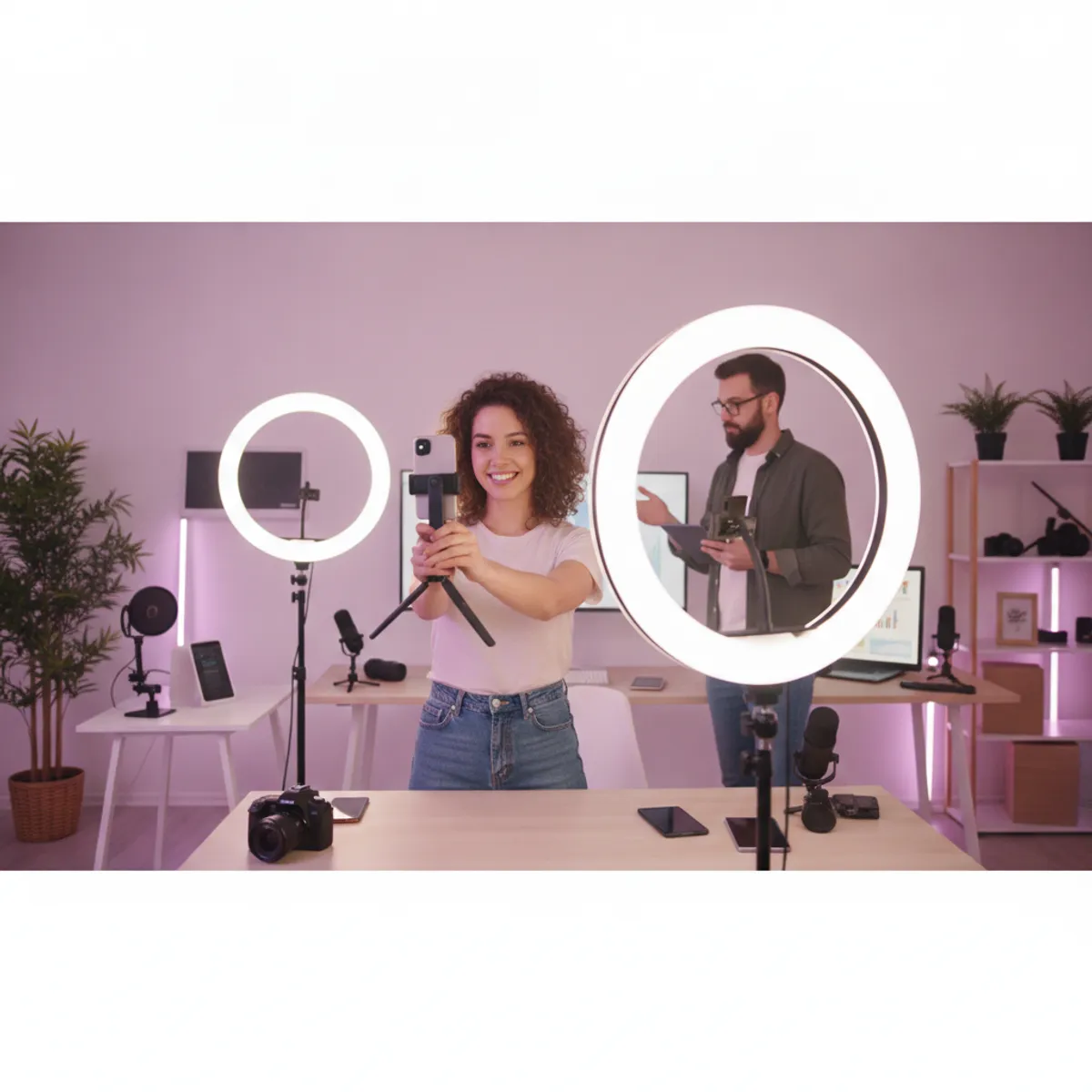
This section describes the look and feel: lighting (natural vs. ring light), setting (clean minimal vs. lived-in), energy (calm tutorial vs. enthusiastic unboxing), wardrobe guidance, and sometimes color palette. If the brand has examples, they’ll link them here.
What to mark: The three words that describe the mood. Write them on a sticky note near your camera. Before you press record, check: does my setup match these three words?
Lighting and background are the most commonly missed specs. If the brief says “natural light, minimal background” and you film against a cluttered wall under a ring light, you’ll get a revision request regardless of how strong your script is.
6. Mandatory and Prohibited Content
Mandatory: specific claims you must make (sometimes verbatim for legal reasons), disclaimers, product features you must demonstrate.
Prohibited: content you cannot include — competitor mentions, medical claims, certain music, obscene language, or off-brand visuals.
What to mark: Prohibited items in red. Before uploading, scan your transcript for anything on the prohibited list. This section also surfaces compliance requirements; if a brand requires a specific disclaimer, add it exactly as written.
7. Call to Action
The CTA is what the brand wants viewers to do next: use a promo code, visit a link, follow an account, try a free trial. Most briefs specify the exact CTA line.
What to mark: The exact CTA copy and where it should appear in the video (end, or sometimes twice — mid-video and end). Using a wrong code or an approximate version of the CTA is one of the fastest ways to get a revision request.
8. Technical Specs
Video length, aspect ratio (9:16 vertical for most UGC, 1:1 for some), resolution, file format, and deadline. Some brands also specify max number of cuts or whether B-roll is required.
What to mark: Length (minimum and maximum), aspect ratio, and deadline. Set a calendar reminder for two days before the deadline — the platform you’re submitting through may have its own upload time.
The Pre-Shoot Checklist
Before you film anything, run through this checklist:
- I know the exact first line I’m saying (hook confirmed)
- I have marked which talking points are mandatory
- My setting matches the visual style guide
- My lighting matches the brief (natural / ring light / other)
- I know the exact CTA line and where it goes
- I have noted all prohibited content I need to avoid
- My video will be the right length and aspect ratio
- I know the deadline and have built in buffer time
If any checkbox is blank because the brief didn’t specify it, that’s your clarification question list.
How to Ask for Clarification Without Annoying the Brand
One email. Before you shoot. Not after.
Here’s the format:
Subject: [Your Name] — UGC Brief Questions for [Campaign Name]
Hi [Name],
Quick questions before I film so I can get this right on the first delivery:
- The brief mentions a lifestyle setting — does that mean indoor, outdoor, or either?
- The hook section lists two options — should I film both and submit both, or choose one?
I’ll have the content ready by [date]. Thanks for the details!
Two questions maximum. Specific, not open-ended. This is not a negotiation or a creative consultation — it’s a logistics check. Brands respect creators who ask tight upfront questions far more than those who submit wrong content and say “the brief was unclear.”
Never ask for creative feedback or direction on your own ideas. If you have a creative concept beyond the brief, mention it as one optional add-on after you confirm delivery of the brief exactly as written.
A Practical Example: Reading a Sparse Brief
Here’s a simplified brief you might receive:
Product: Hydration face serum Audience: Women 25–40 interested in skincare Hook: “I tried this every morning for 30 days and here’s what happened” Key messages: Fast-absorbing formula, works under makeup, clinically tested Visual style: Natural light, clean bathroom or vanity setting CTA: “Use code GLOW20 for 20% off at the link in bio” Length: 30–60 seconds Deadline: August 7
This brief is reasonably complete. Before you film:
- Hook: Use the exact line provided.
- Key messages: All three should appear — not all need to be spoken. “Clinically tested” can appear as on-screen text over the product if talking-point length is a constraint.
- Visual: Natural light, bathroom or vanity. If your bathroom has poor natural light, film at a window in a bedroom with similar clean styling.
- CTA: “Use code GLOW20 for 20% off at the link in bio” — memorize or write it on a card off-camera.
- Length: 45–55 seconds is your target. 30 seconds is tight for three talking points; 60 is the ceiling.
One clarification question you might send: “Should I film the product close-up as a part of the video, or will the brand overlay that separately?”
What Approval Rates Actually Tell You
Brands track revision rates by creator. If you consistently deliver briefs accurately, you become a creator they re-book without a search. If you require multiple revisions on every brief, you’re removed from their roster — even if your content performs.
Getting higher-paying brand deals starts before the pitch. It starts with consistently accurate first deliveries. Brands pay premium rates for creators who save them production time.
Understanding UGC creator rates also helps here — brief complexity is one of the legitimate factors to price against. A brief with 8 required talking points, a compliance disclaimer, and mandatory B-roll shots should cost more than a simple testimonial brief.
Working With Platforms That Generate Briefs
If you’re working through a platform like JoinBrands or Billo, briefs come through their interface rather than email. The same framework applies — screenshot the spec sections, run the same pre-shoot checklist, and submit clarification questions through the platform’s messaging system.
One platform-specific note: on some tools, submitting a revision request resets your delivery clock. Check the platform’s terms before asking questions after submission — it’s almost always faster and cheaper to ask before filming.
What to Do With the Brief After Delivery
Once the brand approves your content, do two things:
- Note what worked. Which hooks performed? Which visual styles led to fast approvals? Over 10–15 briefs, patterns emerge that sharpen your production instincts.
- Save the brief. If the brand re-books you, having the original brief is useful context — and it’s documentation if a payment or usage dispute arises. Review UGC contract essentials so you understand how a brief relates to your formal agreement.
A brief is the start of a professional relationship. Brands that send you a brief and see accurate first delivery send you another brief — and another. That compounding effect is how UGC becomes a sustainable income stream rather than a project-by-project scramble.
The UGC script template covers how to structure what you say once you’ve read the brief. Put both together and your first-delivery approval rate will be the metric that separates you from most of the marketplace.
Frequently asked questions
What is a UGC brief?
A UGC brief is a document brands send to creators that outlines the video or photo requirements for a paid campaign — including the product, the hook they want, the talking points to cover, the visual style, the CTA, and the technical specs like aspect ratio and video length. It replaces the back-and-forth of a traditional creative director.
What should a UGC brief include?
A complete UGC brief should cover: the product and what problem it solves, the target audience, required hooks or opening lines, key messages and claims to include, visual style guidance (lighting, setting, tone), mandatory and prohibited content, the CTA, video length, aspect ratio, and the deadline. If any of these are missing, ask before you film.
What do I do if a UGC brief is vague or unclear?
Send the brand one short clarification email before you shoot — list only the specific gaps (for example, 'the brief says lifestyle setting but doesn't specify indoor vs. outdoor — can you confirm?'). Brands prefer one upfront email over multiple revision rounds. Never assume a vague brief means creative freedom; it usually means the brand forgot to specify.
How do I use a UGC brief to improve my approval rate?
Before filming, run through the brief line by line and mark each requirement complete on a checklist. Film the hook exactly as written, hit every required talking point, and follow the visual style guide precisely. Then watch your first 30 seconds back before uploading — if you were a brand manager who had never heard of your product, would the opening hook make you want to keep watching? That gut-check catches most rejection-worthy content.
Maya Rivera
UGC Creator & Editor-in-Chief
Maya makes short-form ads for DTC beauty and wellness brands and writes the playbooks she wishes she'd had on day one.
3+ years creating UGC for 40+ brands; built a UGC business to full-time income before turning 24.
Steal the UGC playbook
One email a week: a pitch template, a gear pick, and the trend that's actually moving brand budgets. Free.
No spam. Unsubscribe anytime.