What Are UGC Ads? How Brands Use Creator Content in Paid Media
UGC ads are creator-filmed videos brands run as paid social ads. Learn how they work, what brands pay for usage rights, and how to position yourself for this work.
Maya Rivera
July 31, 2026 · 8 min read
The short answer
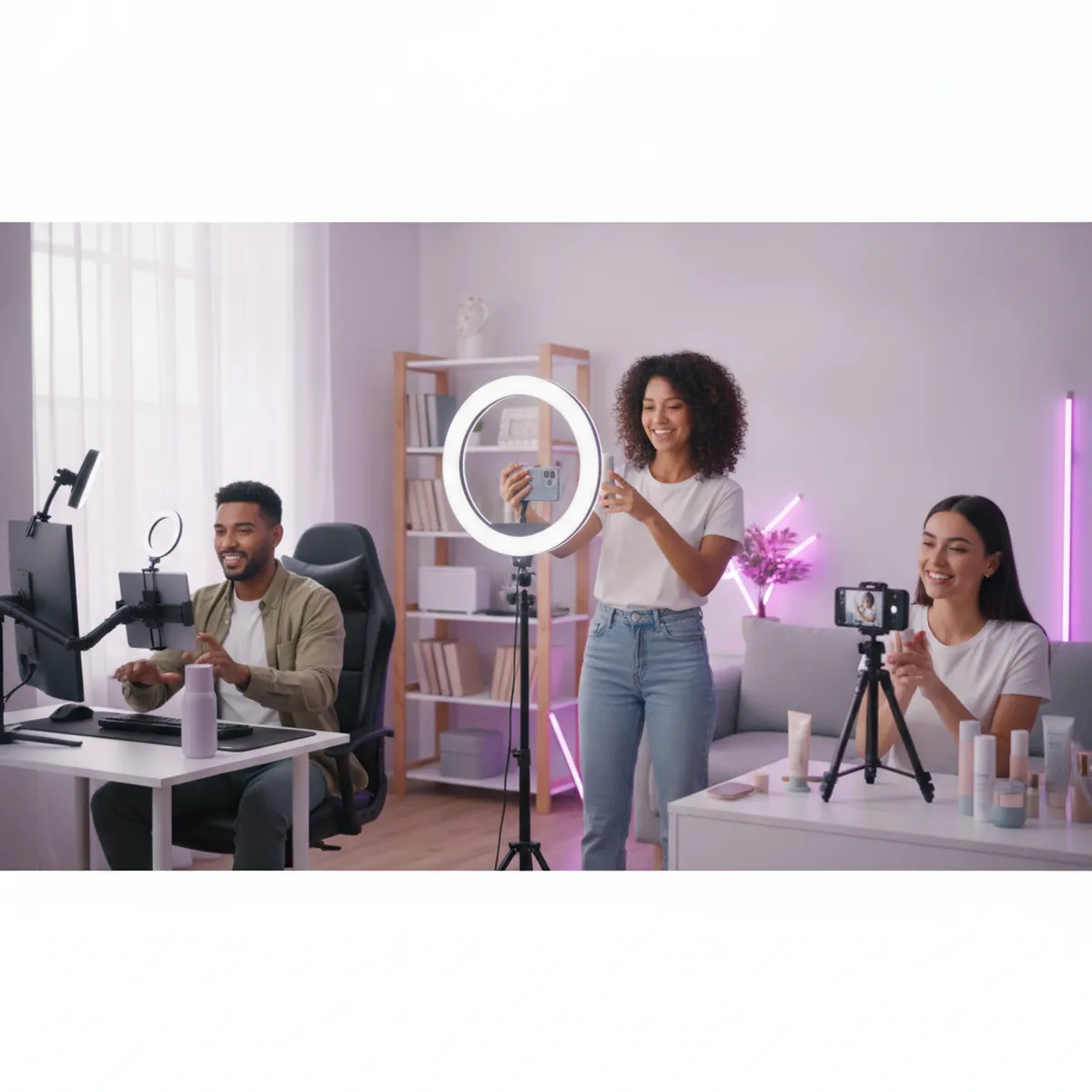
UGC ads are creator-filmed videos — unboxings, demos, testimonials — that brands buy and run as paid social ads on Meta, TikTok, and YouTube. Brands pay creators for the content itself plus a usage rights fee (typically 50–100% on top of the base rate) so they can legally run the video in their ad account. Your follower count is irrelevant; the brand owns and distributes the ad.
When a brand creates a paid ad using content a real person filmed on their phone — not a studio set, not an actor reading from a teleprompter — that is a UGC ad.
UGC ads have become the dominant creative format in direct-to-consumer advertising because they convert. Consumers scroll past polished brand ads. They stop for content that looks like something a friend actually filmed.
Here is exactly how it works, what brands pay, and how you get hired for this work.
What Is a UGC Ad?
A UGC ad is creator-produced content — a 15-to-60-second video or a set of photos — that a brand buys and runs in its paid ad campaigns. The creator films it; the brand distributes it and pays for the media placement.
The term “user-generated” is a holdover from the early days when brands would source organic social posts. Today, most UGC used in ads is commissioned — brands hire creators specifically to make it. The content still looks authentic because the creator films it genuinely, in their own environment, in their own voice.
Common UGC ad formats:
- Unboxing videos — first-impression reaction filmed at the moment of opening; works particularly well for subscription boxes, beauty, and tech
- Demo clips — creator shows the product in practical daily use; best for fitness, home goods, and personal care
- Testimonial hooks — creator opens with a specific, believable claim (“I switched my entire skincare routine after finding this”) before showing the product
- Problem/solution videos — creator establishes a pain point the viewer recognizes, then shows the product as the fix
- Hook-only clips — 2–4 seconds of scroll-stopping content used as the opening frame in a longer ad or to test hooks before committing to full production
For a full breakdown of which hooks convert in each format, the UGC video hooks swipe file has 30 examples by category.
Why Brands Choose UGC Over Produced Ads
Ad fatigue hits polished content first. Platforms like Meta reward ads with high engagement rates — and audiences engage more with content that looks real. A creator filming on an iPhone in a real kitchen converts better than a studio shot with ring lights and a professional voiceover. The data is consistent enough that most DTC brands now run UGC-forward creative strategies.
There are three practical reasons brands commission UGC at scale:
Cost. A produced video ad can run $5,000–$50,000. A UGC creator package — five videos, multiple hooks, different angles — runs $500–$3,000. Brands can test far more creative variations at a fraction of the cost.
Speed. Creators can turn around content in 48–72 hours. Traditional ad production takes weeks. Speed matters when a brand is testing creative across 10 audiences simultaneously.
Authenticity signals. Platform algorithms and human psychology both respond to content that looks organic. Unpolished lighting and handheld camera movement are no longer weaknesses — they are trust signals.
How UGC Enters a Brand’s Ad Account
Most creators assume their content goes onto the brand’s social page. It often doesn’t. Here is the actual flow:
- Brief sent: The brand sends a creative brief specifying the hook, talking points, visual style, and technical requirements (aspect ratio, video length, raw vs. edited).
- Creator films and delivers: Creator submits raw files or edited cuts to a platform like Insense or JoinBrands, or directly via email.
- Brand uploads to ad account: The media buyer takes the video file and runs it as a paid ad in Meta Ads Manager, TikTok Ads, or Google Ads. Your content appears as “Sponsored” content from the brand’s page.
- Whitelisting (sometimes): The brand asks to run the ad from your personal account. This requires ad account access and adds to your rate — more on that below.
The creator often never sees the ad live unless they go looking for it. The brand’s media buyer is testing it against other creative and measuring conversions, not follower engagement.
The Usage Rights Layer
This is the piece most new creators miss. When a brand wants to run your video as a paid ad, they are purchasing two things:
- The content itself (your production fee)
- The right to distribute it (the usage rights fee)
Without a usage rights agreement, a brand does not legally own the right to run your content in paid media. Most platforms flag unlicensed creative use. And if you ever want to negotiate rate increases, usage rights are where the leverage lives.
Standard usage rights tiers:
| License | What it covers | Add-on to base rate |
|---|---|---|
| Organic social only | Brand can post to their own social feed | 0% (often included in base) |
| Paid ads, 30 days | Brand can run as paid ad for one month | +25–50% |
| Paid ads, 90 days | Three-month paid media license | +50–75% |
| Paid ads, 6 months | Six-month license; common for evergreen products | +75–100% |
| Paid ads, 12 months | Full year; often bundled with whitelisting | +100–150% |
A creator charging $150 for a base video should charge $225–$300 if the brand wants a 90-day paid ad license. Platforms like JoinBrands and Billo often include a standard 30 or 90-day license in their brief — read it before accepting.
For current rate benchmarks by experience level and deliverable type, see the UGC creator rates guide for 2026.
What Whitelisting Means for Creators
Whitelisting is a separate arrangement where a brand runs a paid ad using your personal account handle — the ad shows as coming from you, not the brand. This makes the ad appear more like a creator recommendation than a brand post.
From a creator perspective:
- You grant the brand limited ad account access via Meta Business Manager or TikTok Business Center
- The brand builds and runs ads using your handle; you can see them via the Ads Library
- Your account shows sponsored activity that you did not personally post
- This expires when the agreement ends — negotiate a specific end date
Add $50–$150/month to your rate for whitelisting access. Indefinite whitelisting is not a favor to agree to; it has ongoing value that should be priced accordingly.
How to Get Hired for UGC Ad Work
Brands hire UGC creators two ways:
Platforms: JoinBrands, Insense, Billo, soona, and Aspire all have marketplaces where brands post briefs and creators apply. These are the fastest way to get your first UGC ad commission, especially when you don’t have an existing client roster.
For a side-by-side comparison of which platforms have the highest-quality brands and fastest payouts, see the best UGC platform for creators guide.
Direct outreach: Once you have 3–5 ad-ready portfolio pieces, cold-pitch brands directly. The pitch should reference the specific ad format their current campaigns use, and your portfolio should include at least one example shot in the same niche. Brands with active paid social campaigns (you can check the Meta Ad Library) are your best targets.
For the full step-by-step path from zero to first paid brief, the how to become a UGC creator guide covers the complete process.
What Makes UGC Content Work in Ads
Good-looking content that fails in ads is more common than you’d think. The difference is usually one of these:
The hook decides everything. Media buyers test hooks obsessively. Your first 2–3 seconds determine whether a viewer stops scrolling. The brief will often specify the hook — film it exactly as written. If given creative freedom, lead with a specific, believable claim rather than a generic opener.
Ad-ready does not mean polished. Slightly handheld, natural lighting, real rooms — this is the aesthetic that works in feeds. Overly cinematic footage looks like an ad and gets scrolled past.
The CTA matters. Ads need a clear call to action — “link in bio,” “use code MAYA20,” “shop now.” If the brief does not specify a CTA, ask before filming. Missing the CTA is the single most common reason for revision requests.
Aspect ratio and length. Most platforms favor vertical 9:16 for short-form. Meta prefers 1:1 or 4:5 for feed placements, 9:16 for Reels and Stories. Film in the orientation specified in the brief. If not specified, film 9:16 — it can always be cropped, but horizontal footage cannot be made vertical.
UGC ads are a business skill, not just a creative skill. Creators who understand the paid media funnel — why brands are commissioning content, how it flows through their ad account, and what metrics they measure — become the repeat-booking creators that brands come back to month after month.
Frequently asked questions
What are UGC ads?
UGC ads are creator-filmed videos or photos that a brand purchases and runs as paid advertisements on platforms like Meta (Facebook and Instagram), TikTok, or YouTube. The creator produces the content — an unboxing, product demo, or testimonial — and the brand pays to use it in their ad campaigns. The content looks organic and authentic, which is why it outperforms polished, studio-produced ads in most A/B tests.
How much do creators charge for UGC ads vs. organic content?
Creators charge a base production fee plus a usage rights fee for content that will run as a paid ad. A typical raw video might be priced at $100–$200 base; add 50–100% on top as a usage rights fee, bringing an ad-ready deliverable to $150–$400 per video. Usage rights fees increase with the license duration — 30 days costs less than a 12-month whitelisting arrangement.
What is whitelisting in UGC ads?
Whitelisting means a brand runs a paid ad from your personal social account — not their brand page — using your handle as the visible sender. This makes ads feel more authentic. As a creator, whitelisting adds to your rate (typically $50–$150/month extra) and requires you to grant the brand ad manager access to your account. Always negotiate a time limit; indefinite whitelisting agreements favor the brand.
Do UGC ads need to be disclosed as ads?
Yes. If a creator is paid and the brand runs the content as a paid ad through their account, it is automatically labeled 'Sponsored' by the platform. If the brand runs it through the creator's account (whitelisting), the creator must disclose the partnership in their bio or post caption per FTC guidelines. When in doubt, disclose — the platform and the FTC both enforce this.
Maya Rivera
UGC Creator & Editor-in-Chief
Maya makes short-form ads for DTC beauty and wellness brands and writes the playbooks she wishes she'd had on day one.
3+ years creating UGC for 40+ brands; built a UGC business to full-time income before turning 24.
Steal the UGC playbook
One email a week: a pitch template, a gear pick, and the trend that's actually moving brand budgets. Free.
No spam. Unsubscribe anytime.